Tanzania Specialist Holidays Travel Agent


It is also home to Africa's highest point, Mount Kilimanjaro, and its lowest point, Lake Tanganyika.
Nearly 40% of Tanzania's land area is protected for conservation and it has no fewer than 16 National Parks. It will therefore come as no surprise that Tanzania is home to 20% of Africa's larger mammals making it a great destination for safaris.
Probably the most famous Park is the Serengeti which is in the north of the country and is shared with neighbouring Kenya. To the south is the Selous Game reserve, which is less well travelled but is actually the biggest game reserve in Africa.
Less well known are the parks in the west of Tanzania. Ruaha is less well travelled, ideal for those who want to experience something a little more off the beaten track. If you want to travel even further west, then the place to go is Mahale which is on the shores of Lake Tanganyika. The Mahale Mountains National Park offers you the chance to view chimpanzees and a variety of monkey species in their natural habitat.
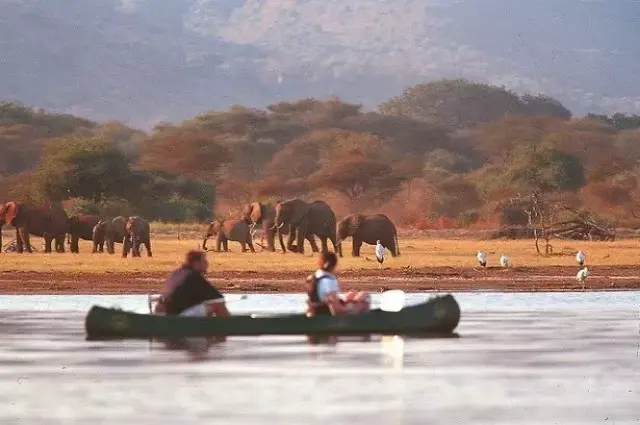
The vast and stunningly beautiful savannahs offer a plethora of wildlife, from the large migratory herds such as wildebeest, zebra, antelope and buffalo to the big cats, hippo and the always elegant elephants and giraffe.
To Note: Effective 1 June 2019 the Tanzanian Government has introduced a ban on plastic. The ban applies to all plastic carrier bags, regardless of their thickness. Visitors to Tanzania are advised to avoid carrying plastic bags or packing plastic carrier bags or items in plastic carrier bags in your suitcase or hand luggage. A special desk will be designated at all entry points for surrender of plastic bags that visitors maybe bringing in the country.
However, plastic or plastic packaging for medical services, foodstuff, sanitary and waste management are not prohibited. In addition, plastic carrier items known as Ziploc bags that are specifically used to carry toiletries will be permitted as they are expected to remain in the permanent possession of visitors and are not expected to be disposed in the country.
What To Do
Tanzania is widely recognised as one of the great destinations for safaris. It is home to an enormous population of wildlife all of which can be viewed at close quarters in its expansive national parks and reserves, and you can read more about what is on offer on our web pages here.In addition, safaris can be combined with visiting some of the country's famous landmarks including Mount Kilimanjaro, Ngorongoro Crater and the Olduvai Gorge, or for a complete change of scene, Tanzania's neighbouring islands have plenty to offer.
If your flight takes you to Dar Es Salaam, Tanzania's capital city you may like to take the opportunity to spend some time here and enjoy the bustling bazaars, fruit, vegetable and fish markets and stalls offering an array of handicrafts. As Dar Es Salaam is also on the coast, you are also not too far away from one of the many beach resorts.
Many people take the opportunity to extend their trip to one of the islands just off the coast of Tanzania. Some of the safari air strips offer direct services, others fly via Dar Es Salaam or Arusha. The biggest island, Zanzibar, is only a 15 minute flight from Dar Es Salaam, with the capital Stone Town offering an eclectic mix of architecture that is best viewed on foot, and a visit to one of the many spice farms makes a nice excursion. The beach resorts, ranging from rustic to luxurious, tend to be concentrated on the west coast. For those happy to travel a little further afield, the islands of Pemba and Mafia have a unique ambience.
Pemba is reputed to offer some of the best diving in the world, although strong currents mean it is generally more suitable for experienced divers. For those who like to snorkel, there are also plenty of places where this can be enjoyed.
Mafia Island is about a 20 minute flight from Dar Es Salaam and was Tanzania's first Marine Park, with great diving and fishing opportunities.
Safaris
There are several enticing options for those who want to undertake a safari in Tanzania. The most popular is the Northern Circuit that takes in the Serengeti and where you can witness the famous annual migration.Less well travelled is the Southern Circuit and the Selous Game Reserve where you can enjoy the same variety of wildlife but in a more remote setting. You also have the benefit of being able to enjoy river cruises, not possible in the North.
The more remote area of Western Tanzania includes the Ruaha National Park which receives far fewer visitors than even the Selous and only has a few lodges available.
For a specialist and exclusive experience, head to the Mahale Mountain National Park, right on the western border of Tanzania, on the shores of Lake Tanganyika where you can undertake chimp trekking.
Northern Circuit
The Northern Circuit is one of the most popular safari routes and one that comes highly recommended for both the opportunity to view game and for seeing Tanzania geographical wonders, including Kilimanjaro and the extinct volcano at Ngorongoro.Given its popularity, the northern circuit is the busiest route so don't expect to be the only jeep there. But don't let that put you off. It is popular for good reason - the sheer volume of wildlife available means that you are very likely to see animals in their thousands.
The preferred starting point for most safaris on the Northern Circuit are from either Kilimanjaro or Arusha. Both are easily accessible from Dar es Salaam. The route you take from there is entirely dependent on time and budget.
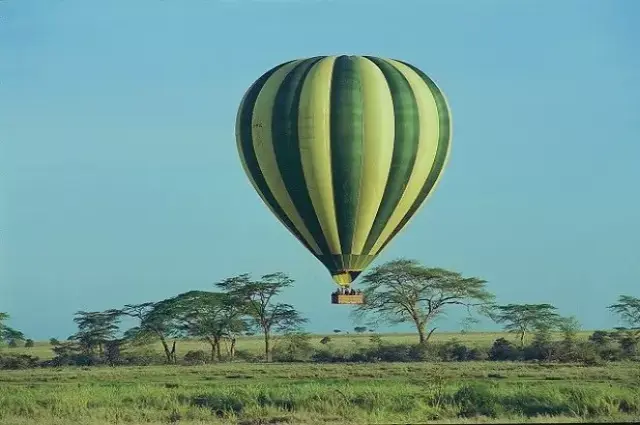
For those with deep pockets you can fly between the various 'stopping points' - Ngorongoro, Lake Manyara and the Serengeti with the added benefit of viewing the incredible landscape from the air. More usual is to travel by road, this takes a little longer, but affords you more opportunities to observe the spectacular wildlife the region has to offer.
Distances vary, but if you follow the usual stopping points you would expect approximate drive times as follows:
Kilimanjaro to Arusha - 1 hour
Arusha to Tarangire - 2 hours
Arusha to Lake Manyara - 2 hours
Arusha to Ngorongoro - 4 hours
Arusha to Serengeti - 4 hours
Southern Circuit
The Selous in the South of Tanzania is the biggest game reserve in Africa. Combined with a lack of crowds in comparison to the North, you have approximately 50,000 square kilometres of largely interrupted views over huge savannahs and an abundance of wildlife.The Selous also benefits from having the Rufiji river running through the reserve. The river is a great place to view wildlife, especially during the dry season when the animals all gravitate to its shores in search of water. The river also offers those travelling there the opportunity to enjoy boating safaris where you can see water based animals, such as hippos and crocodiles up close and personal.
For the more courageous, you can also undertake walking safaris in the Selous, not something you can do in the north.
There are a number of airstrips that service the Selous, but commonly used is Stiegler's Gorge which is about a 45 minute flight from Dar Es Salaam.
Ruaha
Covering over 20,000 Sq. km, the Ruaha is the 2nd largest national park in Tanzania. It's size and remoteness makes it a great choice for the more adventurous traveller. Game viewing is focused along the Great Ruaha River which runs along the south west edge of the park.If elephants are top of your list, then Ruaha is known to have the largest population in Tanzania. It is also recognised has having significant numbers of lion and wild dog, the 2nd and 3rd largest populations respectively.
The park is also well known for its large variety of birds, with over 500 different species to be found there. The best time to see them is during the wet season which is traditionally between January and April.
Although accessible by air, some travellers choose to reach the Ruaha by road. This can take up to 10 hours, but offers you an earlier opportunity to enjoy the topography of the area and of course game viewing.
Mahale Mountains
The Mahale Mountains National Park is on the shores of Lake Tanganyika on the eastern border of Tanzania.The park is famous for being the home of some of Africa's last remaining wild chimpanzees. It is estimated that over 1500 chimpanzees live in the area and so even if you don't see one on your foray into the forest, it would be unusual not to see on if you spend two or three days here.
The best time to see the chimps is during the dry season (between June and October) when they are more likely to be foraging on the ground. In the wet season (November -May), the chimpanzees spend much of their time high in the trees which can make them more difficult to spot.
In addition to seeing the Chimpanzees, there are opportunities to take an expedition on Lake Tanganyika where you can see hippos and crocodiles.
The forest also has a wide variety of colourful forest birds.
When To Go
Tanzania has 2 main seasons - the dry season from June to October. During this time there is little or no rainfall. The wet season from November to May, with the heaviest of the rains between March and May.Dry Season
Because there is little or no rain, this is usually the best time to spot animals as they congregate near the waterholes and rivers. The wildebeest migration also takes place in the Serengeti during June and July.It is likely that there are also fewer mosquitos at this time of year as there is less rainfall.
The weather is hot during the day, but can be cool first thing in the morning or after dark.
Wet Season
The wettest time of year is usually between March and May with some of the parks in the south and west closing during this period. The parks in the North remain open.This is the best time to see migratory birds so a popular time to visit for bird watchers.
January and February is calving season in the Serengeti.
Getting There
Flights to Tanzania are all indirect with transit options including (but not limited to) Nairobi (Kenyan Airways), Amsterdam (KLM) or Doha (Qatar Airways), Dubai (Emirates), Muscat (Oman Air), and Istanbul (Turkish Airlines). British Airways operates a code share with Kenyan Airlines, flying to Nairobi before connecting to Dar Es Salaam. Oman Air also offers the option to fly direct from Zanzibar to Muscat.Qatar Airways and KLM offer a flight via Doha and Amsterdam respectively direct to Kilimanjaro.
On arrival in Dar es Salaam we would recommend an overnight stay before heading out again to your chosen safari resort.
Onward travel is by small light aircraft from Dar es Salaam's domestic terminal. If overnighting in the capital additional time should be allowed to get to the airport as traffic can be very heavy at certain times of the day.
Southern Circuit
Stiegler's Gorge is the main airstrip servicing the Selous Game Reserve. The flight takes about 45 minutes from Dar es Salaam.Northern Circuit
Arusha is considered the gateway to the Northern Circuit making it a popular first stop. Flight time is slightly longer, at approximately 1hr 30 minutes from Dar es Salaam. Other local airports include Seronera and Kilimanjaro which also offers a direct service from Doha.Western Tanzania
For Ruaha, you can either fly from Dar Es Salaam which takes 1hr 30 minutes, or for the more adventurous you can start your safari early and take the 10 hour drive.For those heading to Mahale, it is a 2 hour flight from either Dar Es Salaam or Arusha, followed by a boat/dhow ride of approximately 1hr 30 minutes.
On arrival and for the duration of your safari, either open top or open sided four wheel drive jeeps are usual.
Travel Advice
Health
When travelling to Africa, you should seek advice from your doctor or health professional well in advance of travel to check what vaccinations and any other health requirements may be necessary.Further advice can also be found on the Foreign and Commonwealth Office Travel Advice and the NHS Fitfortravel website.
We hope the following information will be helpful, but it is to be used as a guide only. Again, please seek personal advice from your GP.
Malaria - Tanzania is a high risk area for Malaria and it is likely you will need to take Malaria tablets. Your doctor will be able to advise on suitable antimalarial tablets.
Yellow Fever - A yellow fever vaccination is required on entry to Tanzania. You will be asked to produce proof that your vaccination has been administered and that this was done at least 10 days before arrival.
Visas
Visas are required for entry to Tanzania.They can be obtained on arrival for US$50 - which must be paid in cash. It is also advisable to take a couple of passport size photos with you as they are sometimes required.
If you want to obtain a visa in advance, please visit the London Tanzanian High Commission website for further details.
Visa Procedures at Kilimanjaro International Airport:
All foreign nationals arriving at Kilimanjaro without a visa will need to complete the following:
- Queue for a Government Control Number
- Queue to pay for this at the bank (located within the airport)
- Queue for Immigration to check and issue the visa.
As this process is now quite time consuming, it is recommended that you apply for an online visa at least 2-3 weeks prior to travel on the online platform, www.immigration.go.tz
Your passport should be valid for a minimum of 6 months from the date of your visa application/travel
Plastic
Effective 1 June 2019 the Tanzanian Government has introduced a ban on plastic. The ban applies to all plastic carrier bags, regardless of their thickness. Visitors to Tanzania are advised to avoid carrying plastic bags or packing plastic carrier bags or items in plastic carrier bags in your suitcase or hand luggage. A special desk will be designated at all entry points for surrender of plastic bags that visitors maybe bringing in the country.However, plastic or plastic packaging for medical services, foodstuff, sanitary and waste management are not prohibited. In addition, plastic carrier items known as Ziploc bags that are specifically used to carry toiletries will be permitted as they are expected to remain in the permanent possession of visitors and are not expected to be disposed in the country.
Tanzania & Zanzibar
For those looking for some rest and relaxation after a busy few days on safari, Zanzibar is only a short flight away. With its beautiful beaches and opportunities to both snorkel and dive, we think this is the perfect way to finish your stay in Africa. Zanzibar's sister islands of Pemba and Mafia are easily accessible and also offer outstanding beaches and accommodation.We would be happy to make recommendations for Zanzibar resorts, according to your budget and requirements. Please ask us for details.
Depending on where you have been enjoying your safari, flight times range from 20 minutes (if travelling from Dar Es Salaam) to about an hour from the Selous and Arusha, and a little longer from the Serengeti.
Tanzania Holiday FAQs
When is the best time to travel to Tanzania?
Tanzania has two main seasons. The dry season runs from June to October, with little or no rainfall, and is generally the best time to spot wildlife as the animals gather around waterholes and rivers. The wildebeest migration takes place in the Serengeti during June and July.
The wet season runs from November to May, with the heaviest rains between March and May, when some of the parks in the south and west close. This is the best time for bird watchers, and January and February is calving season in the Serengeti.
The weather is hot during the day, but can be cool first thing in the morning and after dark.
How do you get to Tanzania?
Flights to Tanzania are all indirect. Popular transit options include Nairobi, Amsterdam, Doha, Dubai, Muscat and Istanbul, with onward connections to Dar es Salaam or Kilimanjaro.
On arrival in Dar es Salaam we would recommend an overnight stay before heading out to your chosen safari camp, and onward travel is by small light aircraft from the domestic terminal. If you are staying in the capital, do allow extra time to reach the airport as the traffic can be very heavy.
On arrival in Dar es Salaam we would recommend an overnight stay before heading out to your chosen safari camp, and onward travel is by small light aircraft from the domestic terminal. If you are staying in the capital, do allow extra time to reach the airport as the traffic can be very heavy.
Do I need a visa to visit Tanzania?
Visas are required for entry to Tanzania. They can be obtained on arrival for US$50, which must be paid in cash, and it is worth carrying a couple of passport size photos as they are sometimes requested.
If you would prefer to arrange your visa in advance, this can be done through the Tanzanian High Commission or online, and we would recommend applying at least two to three weeks before departure. Your passport should be valid for a minimum of 6 months from the date of your application.
Visitors should also note that Tanzania has a ban on plastic carrier bags.
What can I do in Tanzania besides safari?
Quite a lot. Safaris can be combined with visiting landmarks such as Mount Kilimanjaro, the Ngorongoro Crater and the Olduvai Gorge, and the islands off the coast offer a complete change of scene.
Many people spend some time in Dar es Salaam to enjoy the bazaars, markets and handicraft stalls, or simply relax at one of the nearby beach resorts. Further afield, Pemba offers some of the best diving in the world, while Mafia Island was Tanzania's first Marine Park and is excellent for both diving and fishing.
Many people spend some time in Dar es Salaam to enjoy the bazaars, markets and handicraft stalls, or simply relax at one of the nearby beach resorts. Further afield, Pemba offers some of the best diving in the world, while Mafia Island was Tanzania's first Marine Park and is excellent for both diving and fishing.
Can I combine a Tanzania safari with a beach holiday?
Yes, and it is a wonderful way to finish a trip. Zanzibar is only a short flight from the safari circuits, with beautiful beaches and plenty of opportunities to snorkel and dive. Its sister islands, Pemba and Mafia, are easily accessible and offer outstanding beaches and accommodation too.
Flight times from the bush range from around 20 minutes from Dar es Salaam to about an hour from the Selous and Arusha, and a little longer from the Serengeti. We would be happy to recommend resorts to suit your budget and requirements.
Flight times from the bush range from around 20 minutes from Dar es Salaam to about an hour from the Selous and Arusha, and a little longer from the Serengeti. We would be happy to recommend resorts to suit your budget and requirements.